We’ve all been there – it can be incredibly infuriating to see a direct competitor achieving plenty of coverage in your industry’s key trade press. You’re equally expert in the subject matter, sometimes more so, but can’t quite seem to land in the media.
The issue is unlikely to be that they spend more in editorial advertising, but more that they’re investing in a strategic PR strategy with a dedicated press office and thought leadership programme. In practice, this means that they’re anticipating what a journalist wants to know before they’ve covered it, and pitching themselves at the right time.
What trade journalists actually need
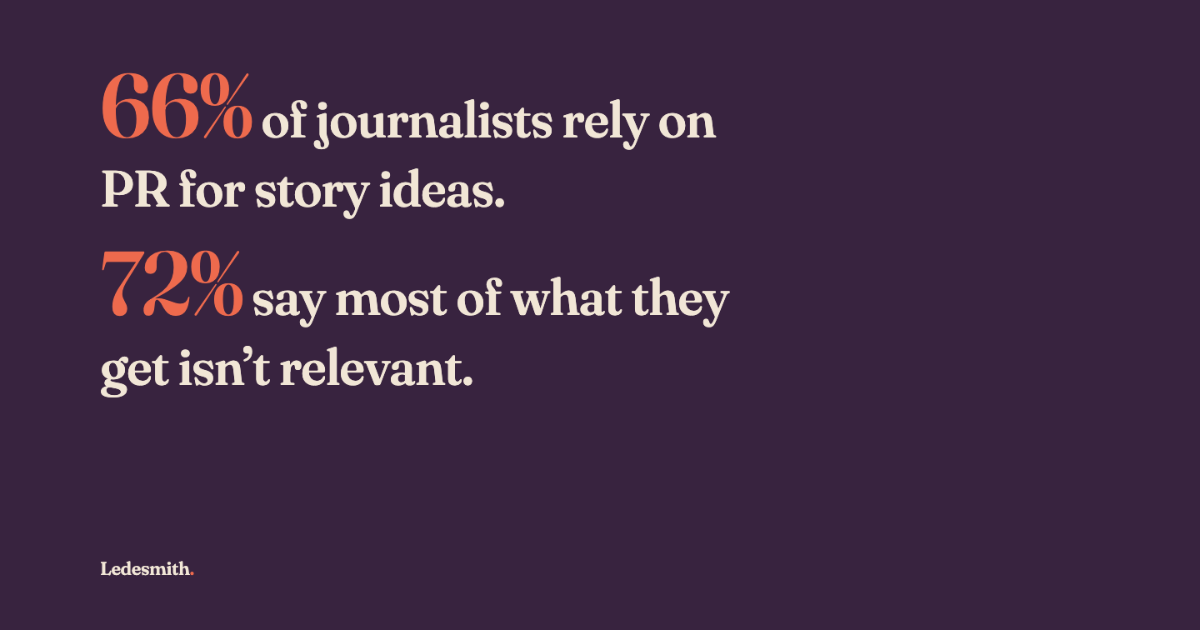
As with most of us, journalists just want to be able to save time. That’s why it’s no surprise that in Cision’s State of the Media 2026 report, 66% of journalists now rely on PR-provided information as their primary source for story ideation. Why? Because 50% are also facing shrinking budgets, staff cuts, and rising workloads as their biggest struggles – meaning if a PR can save them some time by putting a well-researched story or expert in front of them, why wouldn’t they take the opportunity?
The problem is that a lot of pitches are not thoroughly well-researched. In fact, the same Cision report found that 72% of journalists said that fewer than a quarter of the pitches they receive are relevant to what they actually cover. Pitching a journalist a story that isn’t relevant to their beat is a surefire way to get blacklisted for future opportunities.
But overall, the picture is clear. Trade journalists want what you have: a story, an expert, an idea. They’re just struggling to sift through the sheer volume of rubbish in their inbox. Don’t add to it – not every business announcement is a press-worthy story
We get it, you’re excited about your new hire, new product, new event, or new location. And while that might be the most exciting thing that’s happened to your business in a while, it probably isn’t newsworthy unless there’s a clear angle or hook.
What does this announcement say about the sector, or where the market is heading? What value can a reader in a similar position take from this story? Can you bolster the announcement with key financial stats showcasing business growth?
If these questions can’t be answered, then the best place for your announcement to live is your owned channels, such as your website or social media platforms. Sending these to a journalist will not only not get you coverage, but will damage your reputation with that publication.
Build a story bank that’s relevant
The firms that get coverage consistently are typically not the ones with more important things to say, more expertise, or more in favour with key publications. It’s more because they understand the news cycle, understand their target publication’s audiences, and understand what content will land and when.
Key stories are what sits in the middle between what a B2B brand wants to say, and what media outlets want to cover (which is typically what their readers want to hear). And there are many places to find these stories within the business – your technical director’s controversial opinion on a trend in the market, original data sitting in your operations system, or a detailed case study of how you solved a common problem in your industry. Preparing these types of stories and keeping them fresh on file means that when the perfect timely opportunity arises, you’ll be able to take action.
Quality over quantity
While volume looks good in a report, it can do very little for the bottom line. One thought leadership piece in your key industry title can be worth more than ten pieces in publications your target audience has never heard of. Judge coverage on whether it reaches the right reader, if it’s relevant to your key messaging, and if it builds authority with both your sector and journalists – and increasingly with the AI tools your prospects are now turning to for research.
Need help discovering a compelling narrative that lands with journalists and your target audience? Get in touch.